JournalismReflection
WJMC Reflection
My reflection on my experience at the Washington Journalism and Media Conference at George Mason University
By Shane Riley
6 min read
Introduction
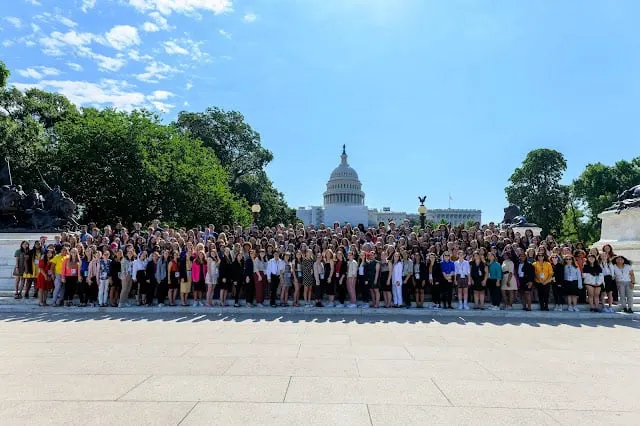
I wish to preface this by saying WJMC time and time again proved my expectations to be incorrect. Before attending the Washington Journalism and Media Conference, I wasn't sure what to expect and was admittedly nervous. I knew beforehand that sports journalism is the field I eventually wish to pursue a career in, but other than that, I was essentially clueless as to what the field of journalism is. I wasn't sure what my 300-plus peers were going to be like and had a very vague idea of what the schedule would be for the week. In hindsight, I cannot comprehend what my insecurity about the conference was for. The week-long conference has had an effect on my aspirations, perceptions of journalism and writing, and views on my relationships with my peers in profound ways.
Background
Back in December of 2021, I received my invitation to the conference in the mail. My first thoughts were general skepticism as I had never heard of the conference before, but following a quick Google search, I realized the program is legitimate. After accepting the invitation online and submitting the forms needed to attend, I reached out to family members to assist in funding my trip. I am fortunate and very grateful to have a generous family that was more than willing to provide financial assistance. Essentially, every step on the planning side for the conference was done months in advance, leaving the thought of the conference somewhat on the back burner as I finished school. However, school ended, propelling the conference to the forefront of my mind and putting me into preparation. The last main step, other than packing, was clothing. Being that the dress code was rather professional, much of the clothing I needed to wear had to be purchased. After buying some new clothes and packing, I was set to head off.
Schedule
Once I checked into the conference and got settled into my room (on campus dorm), I had a chance to look at the schedule and quickly realized the week was going to be full and with little to no free time. This had me feeling a little concerned, but by the end, I had no gripe with the full schedule (other than the fact that it made time fly and the minimal sleep). Each night, I didn't make it back to my room until at least 10:30, often later. Most of the week was dedicated to learning about journalism; however, the week ended with a celebration/gala to close with some fun and dancing.
Locations
During the conference, we visited some interesting places and museums. My favorite visit was to the National Press Club. Aside from the speakers, who were both quite informative and entertaining, the prestige alone made the visit enjoyable. Several well-known writers and public figures have visited and are members of the club, and I felt honored to have also been there. I also really enjoyed the Planet Word Museum. Essentially, the museum is dedicated to the study of words and languages and how they affect humans and society. There was also a karaoke room, which broke down song lyrics and allowed me to show off my vocals. Aside from those two places, we also went to the White House, the monuments, and the National Mall.
Speakers
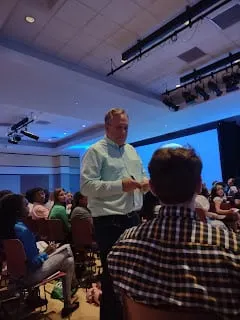
The speakers were largely the bulk of the conference, with at least one a day (excluding Thursday). Each speaker (mostly) had different talking points and different pieces of advice to share, all with their own value. However, there were a few key points every speaker touched on that they believe all aspiring and current journalists should live by and follow: networking is crucial, take risks/change can be a positive, be a good listener, a diverse skillset can advance a career faster, follow ups can make or break an opportunity, and the most stressed point being that truth takes precedence over all else. A couple of speakers took a different approach than the traditional "talk about who I am and what I have done and am doing." Don't get me wrong, that kind of speech/presentation is informative and engaging, but Brian Lamb's (founder of CSPAN) and Tom Jackman's (reporter for the Washington Post) style had a much different effect. They both opted to ask us (the correspondent group) questions about journalism and media as opposed to listing their experiences in the industry. Lamb focused more on truth and our perceptions of it, while Jackman focused on our media outlets and perceptions of them. Tom Jackman also wrote our responses down and compiled them into a mini article. This style demonstrated the process of how reporters can interview as well as shared what some of the collective's opinions are on certain subjects.
My Peers
Easily the best part of the conference and the most beneficial was the connections and friendships made. As I mentioned earlier, I was unsure of what everyone else at the conference was going to be like. However, as soon as I arrived at the Hub (check-in area), everyone I met, I instantly felt an association with. Meeting people was incredibly seamless. In order to divide up correspondents in an organized way, we were placed into color groups (mine being purple). This did not limit interaction with other groups, and it also gave a good opportunity to make close connections with a select group of people. I was able to do just that and became friends with some incredibly interesting and genuine people. Unfortunately, everyone is quite scattered across the country, but they made the week entertaining and worthwhile.
Personal Growth
With every aspect of the conference factored in, from lessons learned from speakers to connections made, the Washington Journalism and Media Conference resulted in significant growth within me. Being surrounded by like-minded people who shared my interests confirmed that journalism and media is the career path I should follow. Attending the conference also bolstered my confidence to attempt new things and ask questions that I may be unsure about. I realized that journalism isn't easy, but not trying something new or different makes progressing even more difficult. Also, through many discussions about truth and facts in writing, the fine line between quick information and accurate information became much clearer.
Future Opportunities
Along with all of the positive takeaways from the conference that I have presently, the impact of WJMC goes far beyond that. Being a WJMC alumnus can lead to career opportunities that someone who doesn't have WJMC on their resume may not receive, as the conference is widely recognized and respected within the journalism and media community. Also, it connects me with a vast pool of other alumni that I can get in touch with and potentially network with, which was touched on many times and especially by the closing speaker, Sam Wolfe (WJMC alumni). The speakers also gave insight into the industry so we correspondents would have a general understanding of what we'd be getting into if journalism were the career path we chose.
Closing Thoughts
My week was incredible. Everyone I met was so friendly and knowledgeable. My faculty advisors, whom I haven't touched on yet, made the week organized but treated our group as adults (a nice change of pace from school). Staying on campus gave a general feel of what it is like to live in a college dorm. Being surrounded by like-minded individuals all sharing the same interests gave me comfort as well to really be and act like who I am. I can say, with little hesitation, that attending WJMC was the best decision in regard to advancing my young journalism career that I could have made.