RugbyQ&A
Tatafu Polota-Nau
The former Wallaby reflects on his rugby career
By Shane Riley
7 min read
At the young age of 8, I was privileged to experience living in a foreign country: Australia. I had always been interested in many sports from a young age, such as baseball, and after watching rugby union, another sport was added to that list. Throughout the three years I lived there, I came to a reasonable understanding of the game and even began to enjoy it more than American football — surprisingly.
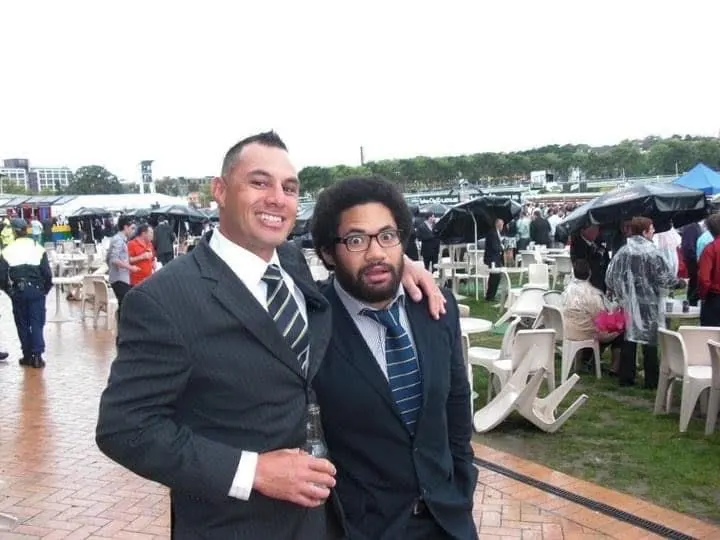
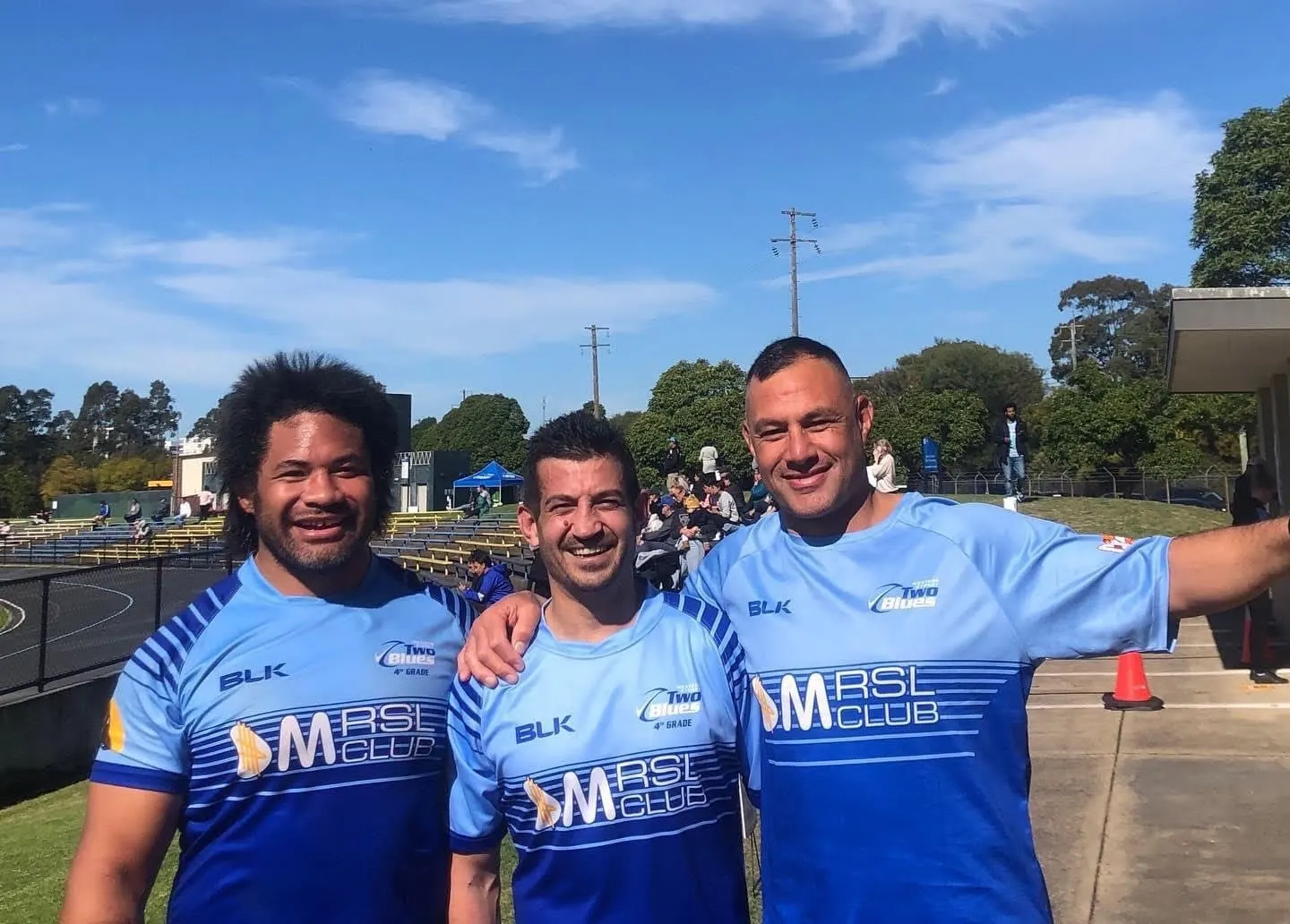
During this time, my dad met a family friend, Rodney Taylor, who happened to be involved with a local club, the Western Sydney Two Blues (formerly known as the Parramatta Two Blues). He shared stories from his 200-match club career, during which he met many people and players — most notably Tatafu Polota-Nau. Tatafu and Rod met in 2004 when they were both playing for the Two Blues.
“We became mates and have been mates ever since,” Rod said, “both on and off the field. Glad to call him a mate.”
Tatafu Polota-Nau had a long, successful career at both the international and club levels, notably with the Wallabies (Australia’s national rugby union team), the New South Wales Waratahs, the Western Force, and Leicester Tigers. His international career began in 2005 in a match against England and concluded a few years ago in his final test against Samoa. Tatafu has seen it all when it comes to the sport.
For this article, I was fortunate to have the opportunity to ask the Wallabies legend a few questions reflecting on his career and looking toward his next chapter.
Before matches, did you have any rituals or superstitions? If so, how did they start?
“When I began my international playing journey, I was petrified because I was on the world stage representing my nation and didn’t want to let it down. So initially, I developed rituals such as wearing the same underwear for every match I played (washed regularly, of course), and out of fear and nerves, I would not eat four hours before the match in case I embarrassed myself on TV by throwing up on the pitch.
After getting a good grip about four years into the role, I began to understand that the rituals were more a way to handle my nerves than a way to play to the best of my ability. I started experimenting with different approaches to see what worked best for me. That ended up being to really enjoy other aspects of life I was encountering, and not necessarily focus on the game long before it was played. Obviously, the approaches were different when playing overseas, but the logic was that mentally focusing on the game would begin only two hours prior, when I went through my strapping and stretching processes.”
Outside of New Zealand, who would you consider to be your biggest rivals on a club or national level?
“I considered any rival to be a big rival because, at the end of the day, the team that is usually well prepared will be the team to succeed. I was more concerned about my game, what I could control, and minimizing as much as possible what the opponents, referees, or crowd could influence.
Since all opponents had various threats, I would never be the one to leave it to chance and say any opponent was a ‘walkthrough,’ since the whole point of competition is to test yourself against the best.”
Based on your match in Chicago, what are your thoughts on rugby in the United States?
“There is a genuine interest in rugby in the States, particularly with the huge pool of NFL and college talent who don’t get selected but have the transferable skills to cross over to rugby. This was back before the 2015 Rugby World Cup. Since then, it has been amazing to observe the progression of sevens rugby, particularly in the Olympics, with teams becoming high contenders for both the tournament and the gold medal.
I also understand there is currently a rugby competition in the U.S. called Major League Rugby that is beginning to gather traction and credibility, as well as other nations visiting to play the Eagles. So I believe rugby is in a very good position in terms of growth and scale in the States.”
Is there any moment in your career you regret or wish you had a second chance at?
“Hindsight is always a killer for sure. But at the end of the day, it made me the person I am today by seizing opportunities and troubleshooting the possibilities they offered from a personal development standpoint.
Probably the one thing I do regret is not having confidence right from the start. Growing up, I wasn’t exposed to mentorship or guidance programs. It would have been nice to understand positive mindsets in developing countries. My parents are both of Tongan descent, and it’s no fault of theirs, but growing up on the islands, the tendency is to never be above anyone older than you nor challenge traditions, out of fear of being labeled a disgrace to the family.
My plan is to create some sort of enablement showing that having a positive mindset can allow you to achieve greatness, while also maintaining respect for how parents were raised — but helping them understand that the only constant in life is change.”
Since retiring, do you miss playing? What aspects? Anything you don’t miss?
“Definitely a yes and no.
Yes, because you miss the people you spend the majority of the year with — learning to work together, sharing personal journeys, and creating friendships that last a lifetime.
No, because I don’t miss waking up stiff as a board, taking ages to warm up just to get out of bed. And I don’t miss waking up knowing you’ll be beaten up during training.”
When did you know it was time to hang up the cleats?
“In a way, COVID contributed to bringing my career to a sudden halt, but I don’t rely on external resources to make my decisions. It just became a good feeling that:
It became less enjoyable.
It became a chore rather than a privilege.
It was monotonous with no real sense of achievement after finishing internationally.
I was missing out on many personal events because of scheduling conflicts and FOMO.”
What was it like walking off the field after defeating Samoa in your final international match?
“It was bittersweet. Knowing I missed out on the World Cup squad that year, but helped the boys prepare, was definitely the last hurrah internationally. The best part was doing it where it all began for me. Where I grew up, rugby isn’t very popular, but it was great to see family and friends from colts and grade teams come out and support me for the final time.”
Are there any lessons rugby taught you that influence your daily life?
“I don’t think there’s enough time to cover them all, but the three most important ones:
Failing is critical for growth. It’s not an embarrassment — it’s a teacher.
Anyone can be cool, but being awesome takes practice. Habits create success.
Your time is limited. Give all you can while you can.
As in rugby, where we had 80 minutes to make an impact, life works the same way.”
Do you feel like you have more spare time now? Are you still interested in computers?
“Not necessarily. In professional rugby, recovery is as important as working hard. I’ve started a new role in the corporate environment to pivot from rugby, challenge my skills, and discover new areas of life.”
Are you still involved with any of your former clubs?
“Not currently. My main focus is to get properly trained in my new career so I can get into a healthy routine and hopefully free up my evenings to assist my local club. But I have been approached by friends.”
Based on the interview below, is your sister truly a better athlete?
Video: Rugby HQ, Fox Sports Australia.
“Growing up, yes. She was amazing with any ball in her hand and very quick at a young age. Unfortunately, she pursued the social side of rugby and got influenced into partying almost every weekend. But she definitely had the potential to be the world’s best back in her adolescent years.”
What sport would you have played if not rugby union? Favorite sport outside rugby?
“Probably tennis, had I had the resources to participate and be coached. I love many sports, and it’s hard to choose one. I enjoy the competitive side.”
What does it mean to you knowing Rod is in the 200-match club for the Two Blues?
“It means a great deal, considering there are people who make genuine sacrifices not only with their bodies but with their time and wisdom. Rod is the type of player you wouldn’t hesitate to go to war with. He won’t admit it, but he worked harder than almost anyone to stop the opposition from scoring.
You know the caliber of a person when they do the 1% basics so well. When the opposition makes a line break and is almost certain to score, Rod would run from the other side of the field just to keep the player honest and force them to score farther from the posts.
I wish I had the chance to play more games with him. He deserved support for his relentless work ethic, persistence, and accuracy. He doesn’t stack up too badly at the post-match either.
I’m jealous he’s in the 200 club because he’s played more games than me, but I’m certain he would have played even more if teammates in our area had consistently made the travel commitments, which often meant he had to back up for higher teams.”
Tatafu Polota-Nau’s long career provided him with many valuable experiences and moments. Professional athletes like him dedicate years of their lives to their sport out of true commitment and love for the game. It is important for supporters and fans to not allow great careers such as Tatafu’s to fall by the wayside.
I would like to give a special thank you to Rodney Taylor for providing me with this interview opportunity, as well as Tatafu himself for agreeing to take part.